October 27, 2026
By Hatch
Share:


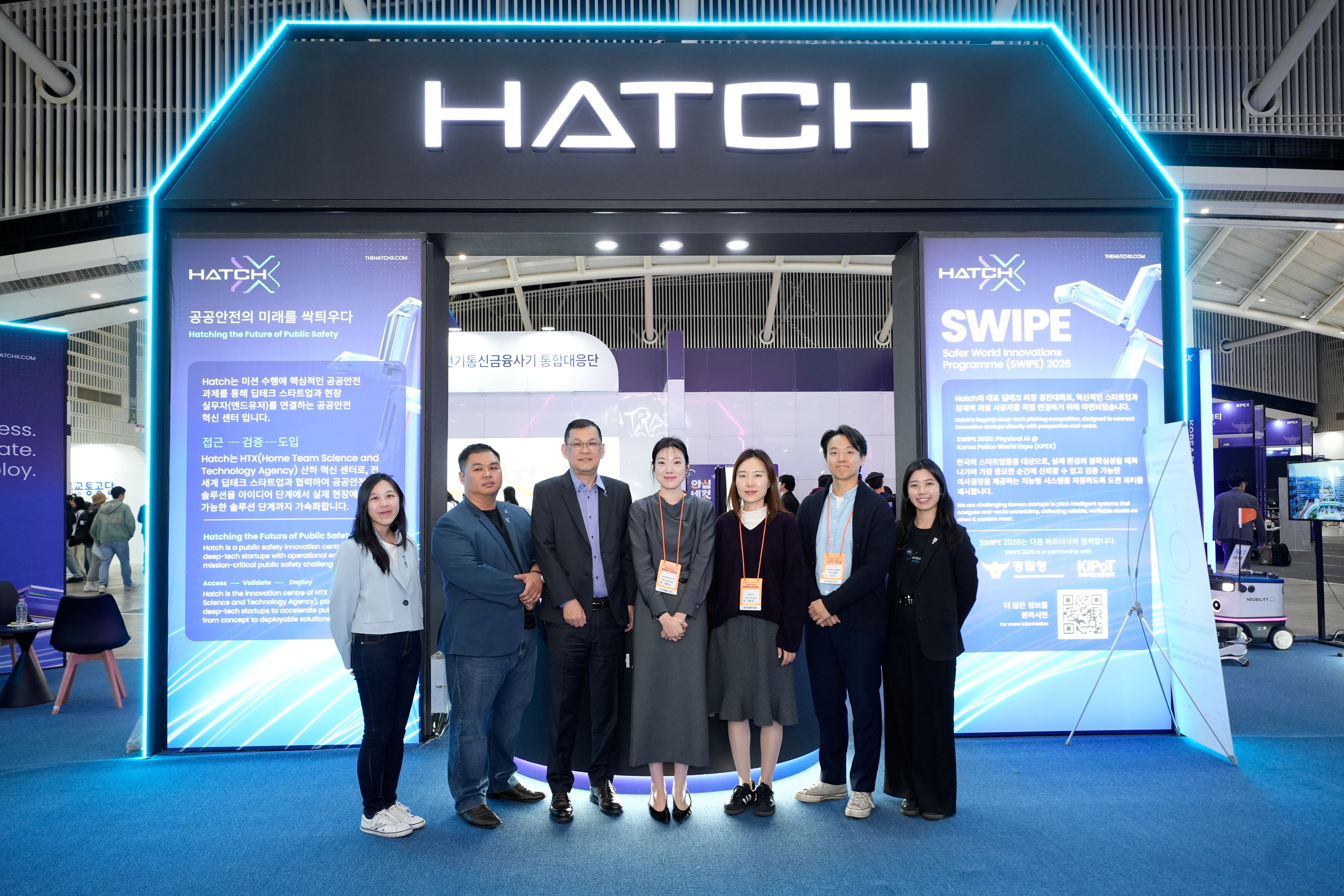
Hatch, the Singapore innovation centre of the Home Team Science and Technology Agency(HTX), partnered with the Korean National Police Agency (KNPA) and the Korean Institute of Police Technology (KiPoT) to run SWIPE. The programme looked for Korean startups developing Physical AI for public safety, the technology that lets machines sense and act in the physical world. It asked how their work could take risk off frontline police officers.
Startups applied in August 2026 with solutions spanning autonomous robotics, sensor fusion, computer vision, navigation and mapping, and AI-assisted decision-making. Six were shortlisted for an online pitch round in September, judged by representatives from KNPA, KiPoT and Hatch.
Mobiltech, Neubility and Superb AI went through as finalists. Besides exhibiting at KPEX held from 21 to 24 October 2026 in Seoul, Korea, the finalists also pitched on stage.
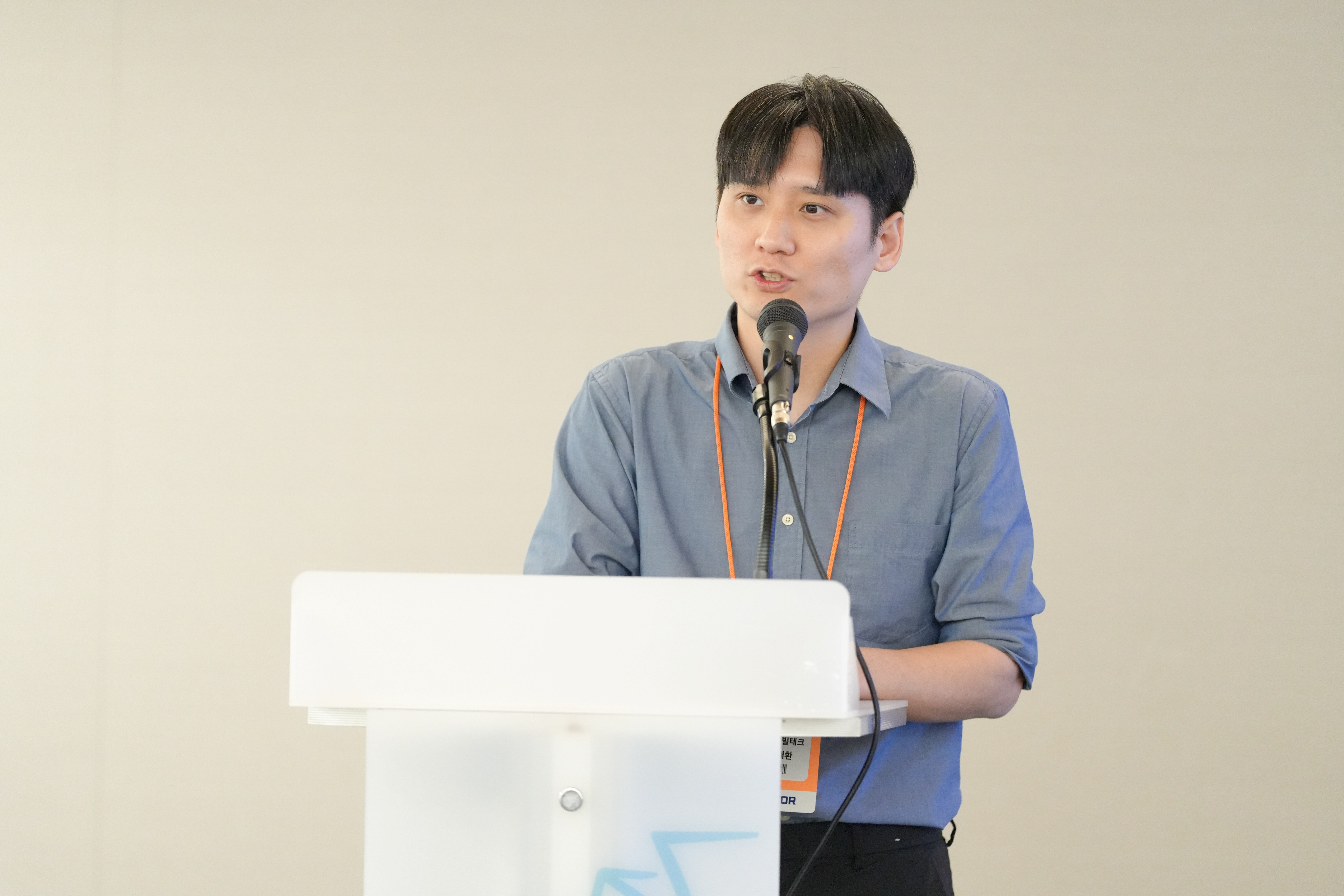

Mobiltech builds the spatial data infrastructure that autonomous vehicles, robots and digital twins depend on to understand their surroundings. It captures real environments with LiDAR, cameras and positioning sensors, and calibrates those sensors against each other automatically.
Its Replica City platform reconstructs captured environments as digital twins, so autonomous systems can be trained and tested virtually before deployment.
For police operations, the clearest use is mapping a hazardous site and planning the mission before officers go in.
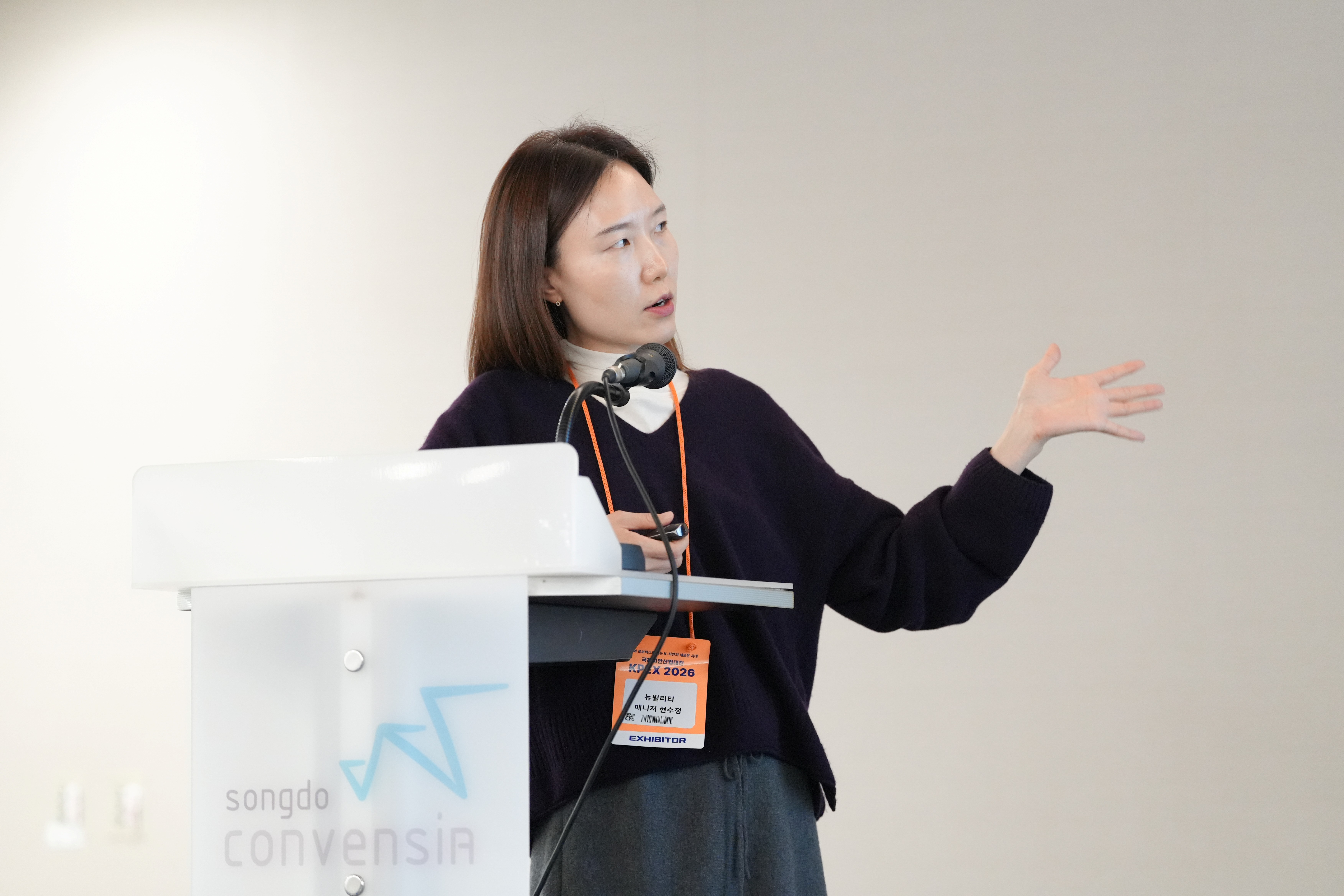
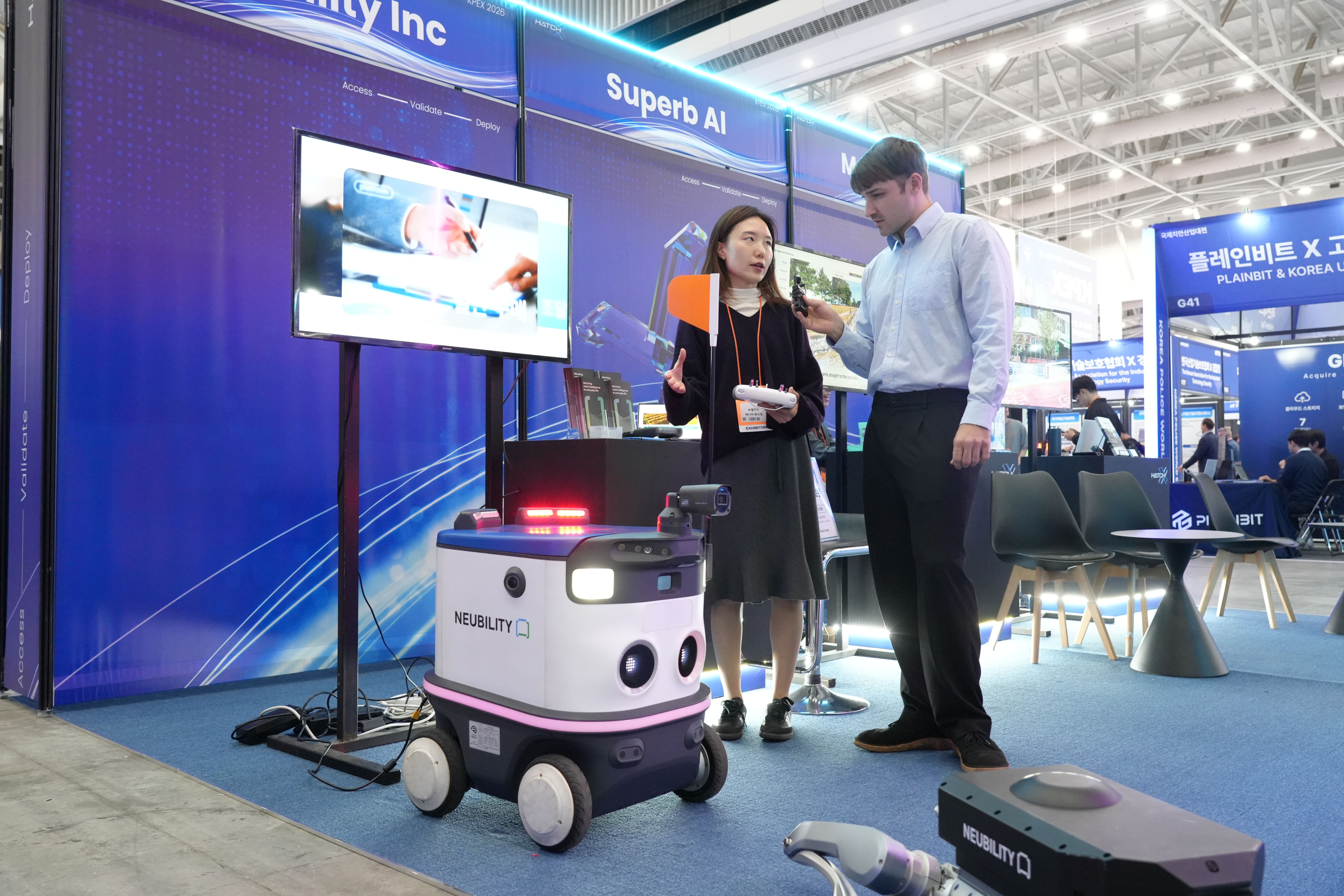
Neubility’s robots navigate crowded urban environments using cameras alone. The company says its mapless navigation system reduces dependence on expensive LiDAR and conventional positioning systems.
It also offers that navigation as a standalone module, NeuOn, which can be fitted to quadrupeds, humanoids and other robotic platforms. Operators manage their fleets through the Neubility Control Center, and the wider range covers delivery, patrol and safety management robots.
The patrol robots are the closest fit for public safety. A robot can walk a route first, so an officer doesn’t have to.
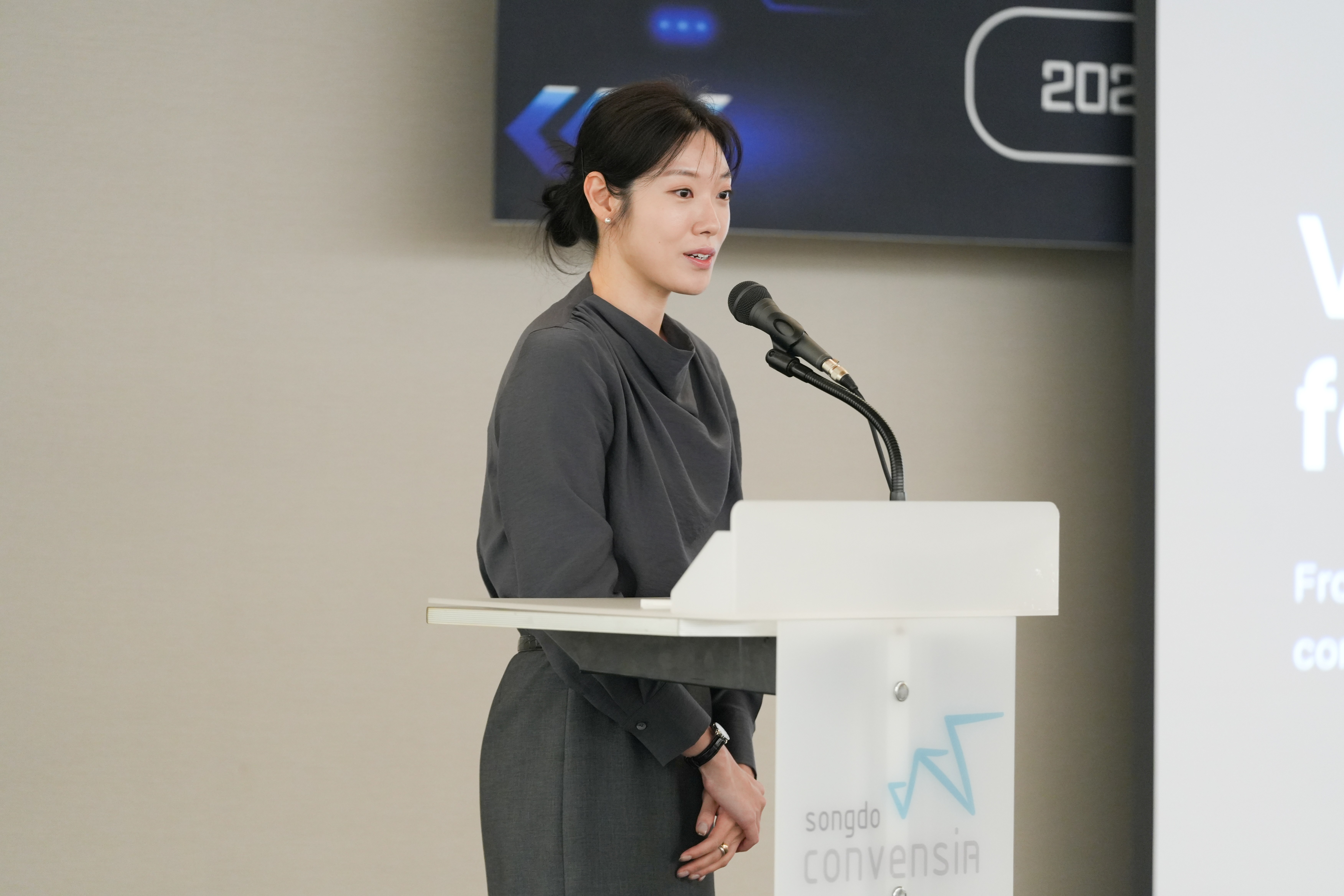
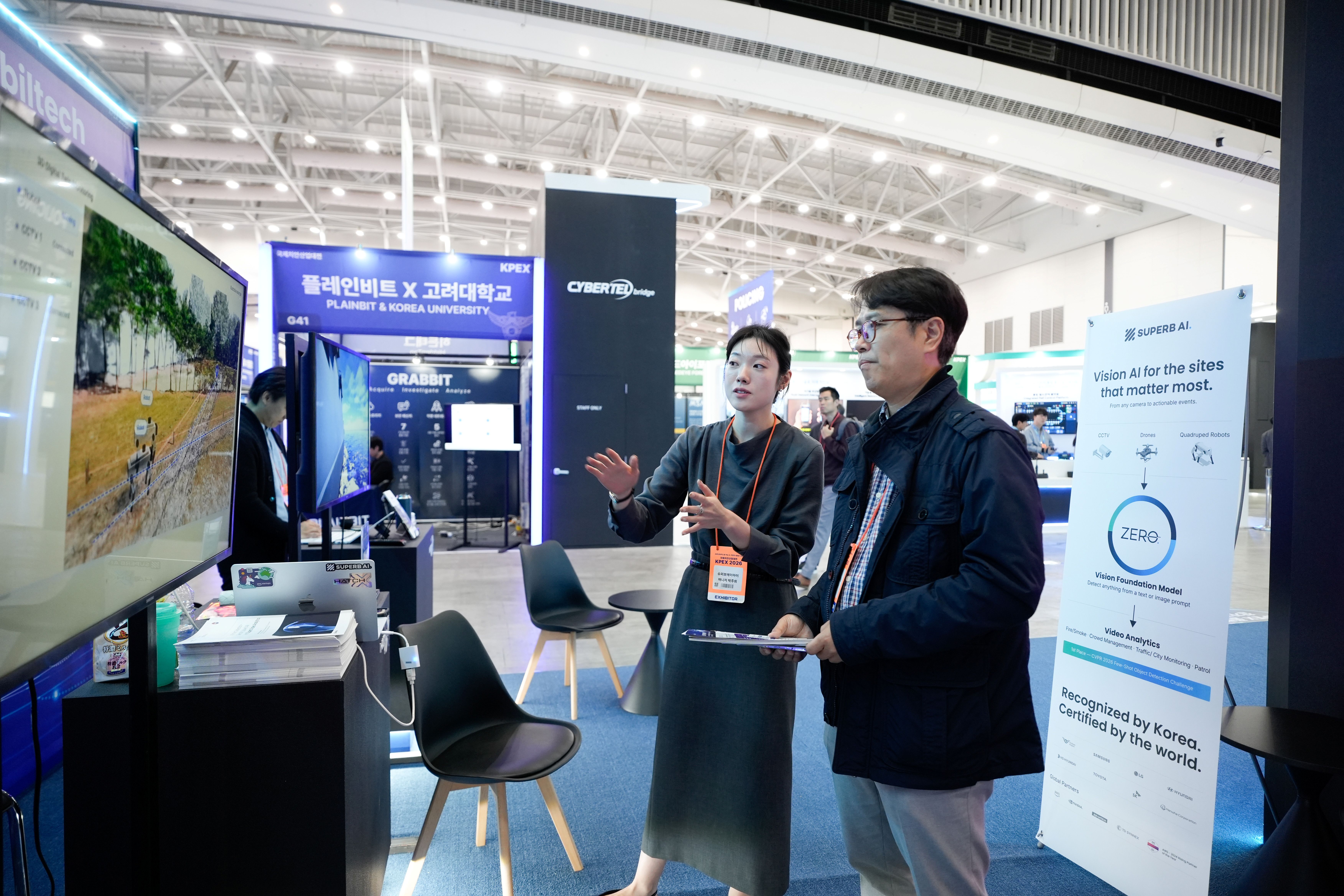
Superb AI develops software for building and deploying computer vision models. Its MLOps (machine learning operations) platform covers the AI development pipeline from data labelling to deployment and monitoring.
ZERO, its vision foundation model, is pre-trained on a range of industrial environments, and the company says it works without additional training. A separate video analytics product handles automated monitoring and event alerts.
In a police setting, that could mean flagging events of interest in camera feeds for officers to review.
Our partnership with startups goes beyond the programme. Three Hatch alumni startups Clika, Deeply, and Seadronix returned to pitch their technologies at KPEX as well. Their presence reflects the long-term partnerships we build with founders, as we continue to support their growth, create new opportunities for collaboration, and connect their innovations with public safety stakeholders around the world.
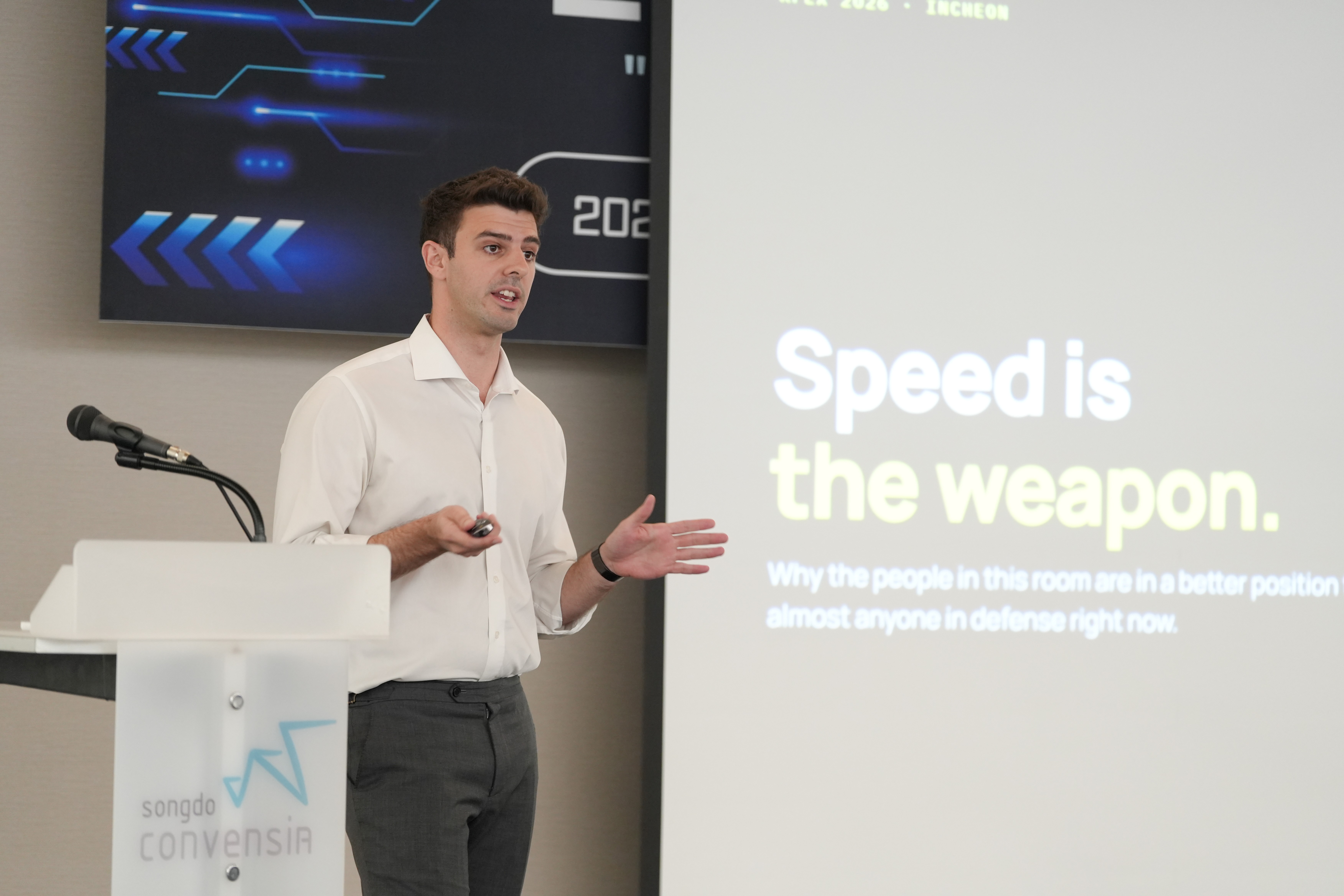
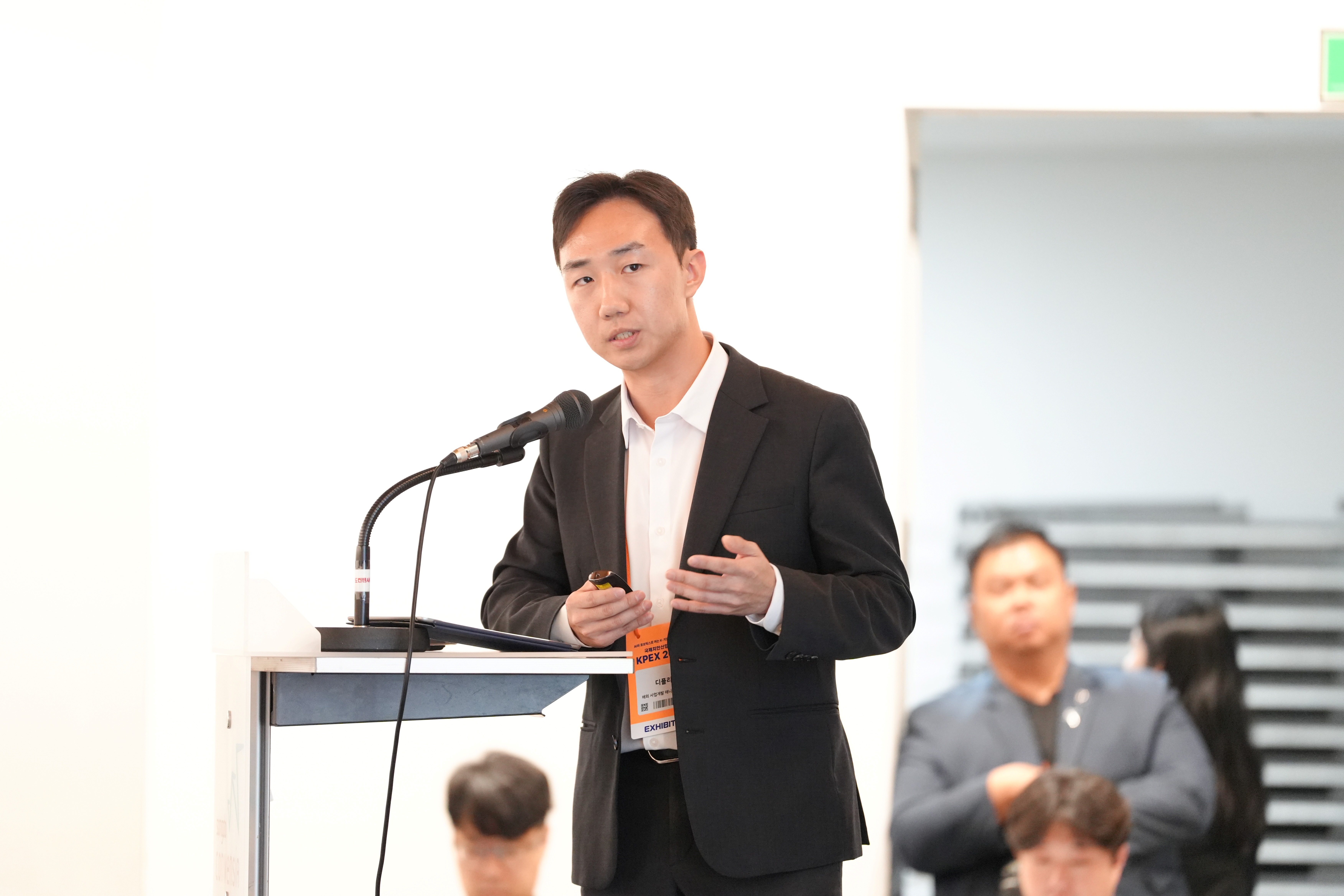
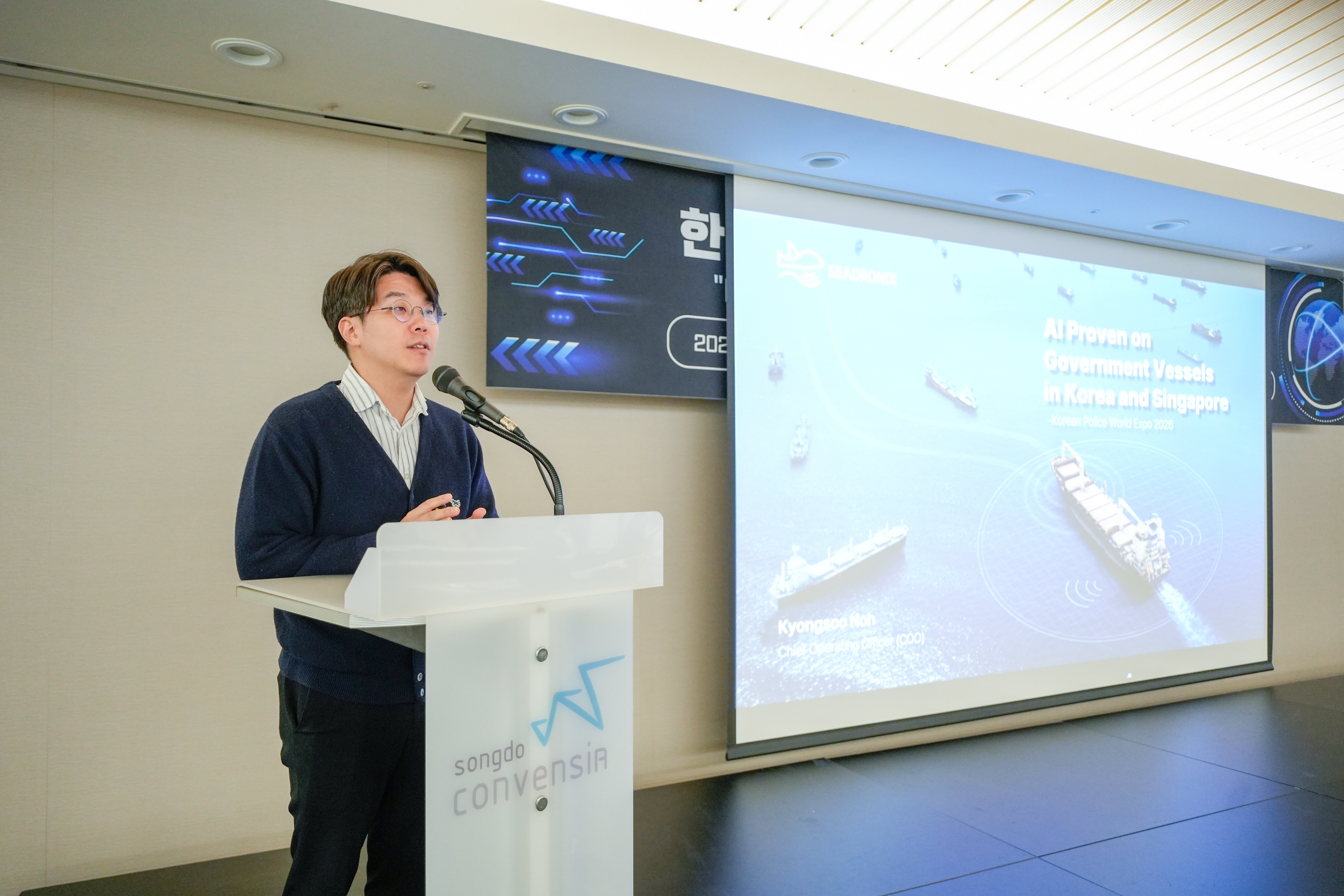
For Mobiltech, Neubility and Superb AI, SWIPE put their Physical AI technologies in front of the police officers and agencies who could one day use them. That is a harder audience than investors, because it judges a product by whether it holds up on an actual shift.
As Hatch’s first innovation programme in Korea, SWIPE leaves Hatch with working ties to KNPA, KiPoT and three founders who now understand what frontline teams need. When a public safety problem next calls for a robot that can go in first, or a model that can watch the feeds, Hatch knows who to call.
October 14, 2026


October 14, 2026

October 12, 2026
Whether you are building breakthrough technologies or are seeking innovations for real-world challenges, as long as you are interested in advancing the future of public safety, we want to hear from you.